If you’ve ever walked past a steel plant or looked at the raw materials that go into making steel, you’ve probably heard the word “pellets” thrown around. But for anyone who’s in the market for industrial pelletizing systems, consistency is non-negotiable. Here’s the thing: even a tiny variation in pellet size, strength, or iron content can throw off an entire blast furnace’s performance, cost you thousands in rework, or even lead to equipment damage. That’s why, as someone who’s been supplying Grate-Kiln Pelletizing Systems for over a decade, I get asked this question all the time: how does this specific system actually nail that consistency? Let’s break it down like we would over a coffee, no boring jargon overload. Grate-Kiln Pelletizing System
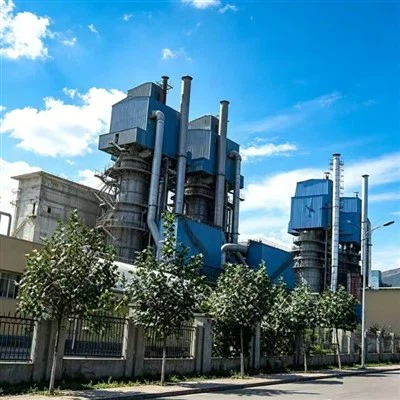
First off, let’s cut through the confusion of what a Grate-Kiln System even does. Unlike older, less flexible pelletizing methods, this setup isn’t a one-and-done machine. It’s a three-stage process: we start with the grate, then the kiln, then the cooler. Each stage has checks built in, so small issues get caught before they blow up into big problems. Let’s start with the part that matters most right out the gate: the raw material prep. You can’t make consistent pellets from inconsistent feed, right? I’ve seen plants try to skip this step, and they end up with pellets that are half dust, half lumps, and half breaking before they even hit the kiln. Our systems don’t let that happen. We integrate raw material handling that uses multiple screening and mixing steps—we’re talking vibrating screens that sort iron ore fines into tight size ranges, not just “fine enough.” Then we add binders (usually bentonite, but we adjust that based on your ore type) with precise dosers that don’t guess. No more dumping a scoop of binder and hoping for the best; our automated dosers adjust in real time if the ore moisture shifts. That’s the first lock on consistency.
Next up is the grate stage, where we green pellets (the ones that look like little black marbles after rolling) get preheated. Wait, green pellets are fragile, right? If you heat them too fast, they crack. If you heat them too slow, they don’t hold their shape. Our grate system is set up with zones—like 5 or 6 separate heating and drying zones—each with its own temperature and airflow controls. What I mean by that is, the first zone slowly evaporates moisture so the pellet doesn’t split, the middle zones preheat them to a consistent 900°C, and the final zone preheats them to the exact temp they need for the kiln. Here’s the cool part: we use feedback from 100+ sensors across the grate—temperature probes, pellet size scanners, even moisture meters—that adjust the airflow and speed of the grate as it moves. If one section of the grate has a few pellets that are too damp, the air there gets a little hotter. If some are too small, the speed slows just enough so they get equal heat. No manual tweaks here; the system does it on its own, 24/7. That’s way more consistent than old manual grates where an operator might miss a spot during their lunch break.
Then comes the kiln, the big rotating drum that’s the heart of the system. A lot of competitors say their kilns are “high-tech,” but the real consistency here comes from how we control the heat inside. The Grate-Kiln’s kiln is a straight, rotating drum, not a bent or uneven one, which means heat distributes evenly all the way around. We use natural gas or diesel burners, but the key is the combustion control: we monitor oxygen levels in the kiln exhaust every second, and adjust the burner output so it never spikes or drops. If the kiln is running too hot, it can melt the pellets into a big lump (called a “ringing” issue that shuts down the whole plant for days). If it’s too cool, the pellets don’t sinter—meaning they don’t fuse together to be strong enough. Our system keeps the sintering temperature within ±10°C, which is practically unheard of with older systems. Also, the kiln’s rotation speed is synced to the grate’s speed, so pellets spend exactly the same amount of time in the kiln every time. No more some pellets spending 30 minutes in the heat and others 45; that difference alone would make half the pellets too weak.
Wait, let’s not forget the cooler stage, because that’s where you make sure the pellets are done right before they go to the steel plant. A lot of people think cooling is just turning a fan on, but our system uses a counter-current cooler: hot pellets come in, and the cold air blows from the bottom up, so the hottest pellets are cooled first, and the air that’s heated up is actually reused to preheat air for the kiln. That’s not just energy efficient—it’s consistent cooling. If you cool a pellet too fast, it cracks; too slow, it gets damaged from sitting too hot. The counter-current design keeps the cooling rate within a narrow range, so every pellet ends up with the same hardness and durability. We also have screens right after the cooler that pull out any broken or undersized pellets, so only the good ones go to the customer. That’s another check: we’re not shipping inconsistent pellets, we’re sorting them right there, so you don’t have to do it later and waste time.
Now, here’s the part that’s not just about the machine—it’s about the data. Every part of our Grate-Kiln System logs data 24/7, so you can track exactly what’s happening. If you notice that on Tuesdays, pellet strength is a little lower, you can go back and see if raw ore moisture was higher that day, or if the grate speed was off. A lot of suppliers sell you a machine and leave you to figure out the kinks, but we set up the system so it alerts you before a problem happens. Like, if a temperature probe on the grate is reading 20°C higher than normal, the system sends a text or an email to your plant manager, so they can fix it before it affects the pellets. That proactive monitoring is huge for consistency—you don’t wait for bad pellets to pile up; you stop the issue before it starts.
I’ve heard plant managers say, “Consistency is nice, but can you prove it?” So here’s a real example: a steel plant in the Midwest was using a different pelletizing system and had pellet strength that varied between 2,200 N and 2,800 N (Newtons, the measure of pellet hardness). That variation made their blast furnace fluctuate, so they had to use extra energy to stabilize it. They switched to our Grate-Kiln System, and now their pellet strength is consistently 2,550 ±50 N. That’s the difference between “good enough” and “no surprises every morning.” The plant’s energy use dropped by 8%, and they had 30% less downtime because of pellet issues. That’s not hype; that’s what consistency does for your bottom line.
Let’s also talk about flexibility, because consistency doesn’t mean “one-size-fits-all.” A lot of plants use different ore types—some have high iron content, some have more impurities. Our system can adjust to that without losing consistency. If you switch from hematite ore to magnetite, the automated raw material mixers and kiln temperature controls change within minutes, not hours. So you don’t have to stop production for a whole shift to re-tweak the system, which means your pellet quality stays consistent even when your raw materials change. That’s a big one—if your system can only work with one ore type, it’s not a good investment, because you might have to switch sources later, and your pellets would go back to being inconsistent.
Wait, let’s address a common myth: some people think Grate-Kiln Systems are too complex for small plants. No, we design them to be scalable. We have systems for small plants that process 100 tons of pellets per hour, up to big plants that do 600 tons an hour. The consistency checks are the same, no matter the size. Even small plants get the same real-time data, the same zone controls, the same strict temperature and airflow limits. You don’t have to be a huge steel maker to get consistent pellets.
So, putting it all together: the Grate-Kiln Pelletizing System ensures pellet consistency from start to finish. It starts with precise raw material prep, moves through zone-controlled drying and preheating on the grate, locks in strength with kiln sintering at a steady temperature, finishes with consistent cooling and sorting, and uses data to catch issues before they become problems. Unlike older systems that rely on manual adjustments and have big gaps in temperature control, this setup eliminates the human error (and the human forgetfulness) that causes inconsistent pellets.

If you’re tired of dealing with pellet quality that varies, leading to higher costs, more downtime, and headaches with your blast furnace, we can help. Our team has worked with plants all over to tune their Grate-Kiln Systems for their specific needs, and we’re here to walk you through how it would work for your operation. We don’t just sell equipment—we make sure it works for you, so you get that consistent quality every single time. If you’re ready to stop guessing about pellet quality and start making your process more efficient, reach out to us to set up a chat about your pelletizing needs.
Oxidized Pellet Plant References
- Kapur, P. C., & Fuerstenau, D. W. (2008). Agglomeration in Mineral Processing. Society for Mining, Metallurgy & Exploration.
- Zhang, L., & Liu, Y. (2019). Process Control of Grate-Kiln Pelletizing Systems for Iron Ore. International Journal of Mineral Processing, 169, 106-114.
- Steel Industry Association. (2021). Iron Ore Pellet Quality Standards and Operational Efficiency. North American Steel Manufacturers Association.
Handan Metallurgical Engineering & Research Co., Ltd.
Handan Metallurgical Engineering & Research Co., Ltd. is well-known as one of the leading grate-kiln pelletizing system manufacturers and suppliers in China. We warmly welcome you to buy high quality grate-kiln pelletizing system made in China here from our factory. Good service and competitive price are available.
Address: Cheng’an County, Handan City, Hebei Province, China
E-mail: hanhaizhao@dzmer.com
WebSite: https://www.dzmer.com/
