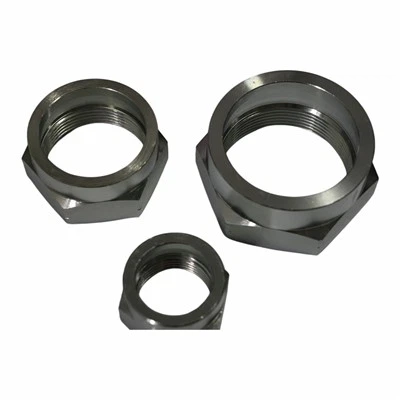
As a seasoned supplier of screw nuts, I’ve witnessed firsthand the critical role that proper thread engagement plays in the performance and safety of countless applications. Whether it’s in the automotive industry, aerospace engineering, or simple household repairs, ensuring the correct thread engagement of a screw nut is essential for maintaining the integrity of a joint. In this blog, I’ll share some practical methods and considerations for checking the thread engagement of a screw nut. Screw Nut
Understanding Thread Engagement
Before delving into the checking methods, it’s important to understand what thread engagement is. Thread engagement refers to the length of the screw threads that are in contact with the nut threads. Adequate thread engagement is crucial because it determines the strength and reliability of the connection. Insufficient thread engagement can lead to loosening of the nut over time, which may cause the joint to fail, potentially resulting in serious consequences.
Visual Inspection
One of the simplest and most straightforward ways to check thread engagement is through visual inspection. This method is suitable for quick assessments, especially in situations where the components are easily accessible.
- Examine the Visible Threads: Start by visually inspecting the amount of screw thread that extends beyond the nut. If there are no exposed threads visible on the far side of the nut, it could indicate insufficient thread engagement. In general, for most applications, it’s recommended to have at least three full threads of the screw protruding through the nut.
- Check for Damaged Threads: Look closely at both the screw and nut threads. Damaged threads, such as those that are stripped, cross – threaded, or have burrs, can significantly reduce the effective thread engagement. If any damage is detected, the components should be replaced to ensure proper functionality.
Measuring Tools
For a more accurate assessment of thread engagement, various measuring tools can be used.
Caliper
A caliper is a versatile tool that can be used to measure the length of the screw that is engaged with the nut.
- Steps for Measurement:
- Open the caliper jaws and place them on the part of the screw where it first enters the nut and the other end at the farthest point of thread contact inside the nut.
- Read the measurement on the caliper’s scale. Compare this measurement with the recommended thread engagement length for the specific application. Manufacturer specifications or industry standards usually provide guidelines on the appropriate thread engagement length based on factors such as the diameter of the screw, the material of the components, and the intended load.
Micrometer
A micrometer offers even greater precision than a caliper and can be used for high – tolerance applications.
- Using a Micrometer:
- Adjust the micrometer to fit around the engaged portion of the screw and nut. Make sure the micrometer is perpendicular to the axis of the screw.
- Rotate the thimble until it gently clamps around the engaged threads. Read the measurement accurately from the micrometer’s scale.
Thread Engagement Calculation
Calculating the theoretical thread engagement can also be an effective way to verify if the connection meets the requirements.
- Basic Calculation Formula: The thread engagement length (L) can be calculated based on the number of engaged threads (n) and the pitch (p) of the screw. The formula is L = n × p. For example, if a screw has a pitch of 1 mm and there are five engaged threads, the thread engagement length is 5 mm.
- Consideration of Material and Load: Different materials have different strength properties, and the load that the joint will bear also affects the required thread engagement. For softer materials like aluminum, a longer thread engagement may be needed compared to harder materials like steel. Additionally, joints that are subject to high vibration or dynamic loads require more conservative thread engagement values.
Interference Fit and Tightening Torque
Interference fit and proper tightening torque are also related to thread engagement.
- Interference Fit: In some cases, a slight interference fit between the screw and the nut can enhance the thread engagement. This can be achieved through precision manufacturing or by using components with a tighter tolerance. However, excessive interference can cause damage to the threads during installation.
- Tightening Torque: Applying the correct tightening torque is crucial for achieving proper thread engagement. Over – tightening can lead to stripped threads or even component failure, while under – tightening can result in inadequate thread engagement and a loose joint. Refer to the manufacturer’s torque specifications for the specific screw and nut combination. A torque wrench can be used to ensure that the correct amount of torque is applied during installation.
Importance in Different Industries
The significance of checking thread engagement varies across different industries.
- Automotive Industry: In automotive applications, proper thread engagement is vital for the safety and performance of vehicles. Components such as engine bolts, suspension nuts, and wheel lug nuts must have sufficient thread engagement to withstand the high – stress environments and vibrations. A loose or poorly engaged nut can lead to component failure, which may cause accidents.
- Aerospace Industry: The aerospace industry has extremely high standards for thread engagement. Aircraft components operate under extreme conditions, including high altitude, rapid temperature changes, and high – speed vibrations. Ensuring correct thread engagement is essential for preventing in – flight failures and maintaining the overall safety of the aircraft.
- Construction and Manufacturing: In construction and general manufacturing, proper thread engagement is necessary for the stability and durability of structures and machinery. Whether it’s assembling steel frames or installing mechanical equipment, accurate thread engagement helps to prevent loosening and ensures long – term reliability.
Conclusion
Checking the thread engagement of a screw nut is a critical step in ensuring the quality and reliability of a joint. By using a combination of visual inspection, measuring tools, calculations, and considering factors such as interference fit and tightening torque, you can effectively verify that the thread engagement meets the requirements of the specific application.
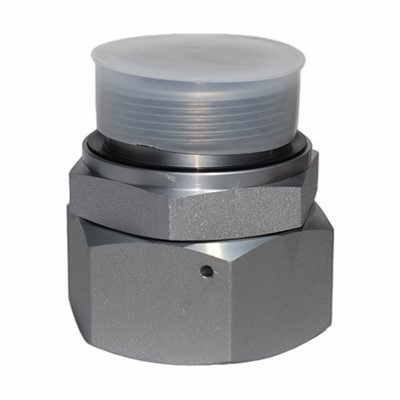
Hydraulic Fittings As a screw nut supplier, I understand the importance of providing high – quality products and ensuring that our customers have access to the information they need to use our products correctly. If you’re in the market for screw nuts or have any questions about thread engagement, please don’t hesitate to reach out to us for a procurement discussion. We’re committed to helping you find the right solutions for your needs.
References
- Machinery’s Handbook, 31st Edition
- ASME B1.1 – 2019, Unified Inch Screw Threads
- ISO 68 – 1:2016, ISO general purpose metric screw threads — Basic profile
Yuyao Huiqiang Fluid Connectors Co., Ltd.
As one of the most professional screw nut manufacturers and suppliers in China, we also support customized service with low price. Please feel free to wholesale cheap screw nut in stock here from our factory. Welcome to view our website for more information.
Address: No. 102, Wenwei Road, Zhangting Town, Yuyao City, Ningbo City, Zhejiang Province
E-mail: huiqiangliuti@aliyun.com
WebSite: https://www.huiqiangfitting.com/
