If you’ve ever worked in industries where heavy machinery, piping systems, or industrial equipment are part of daily operations, you’ve likely heard whispers about sealing materials—and for decades, asbestos was the go-to choice for its perceived durability. But today, as someone who’s spent the last 12 years as an asbestos-free sealing material supplier, I’ve seen first-hand how the shift away from asbestos isn’t just a trend—it’s a necessary, game-changing move for every business that relies on reliable, safe sealing solutions. I started this company after 10 years on the production floor of a facility that used asbestos-based seals, where I watched colleagues develop chronic respiratory issues from long-term exposure. That personal experience drives every product we make, and today, I want to break down the real, data-backed advantages of switching to asbestos-free sealing materials—not just for compliance, but for your team’s health, your bottom line, and your long-term operational success. Asbestos-free Sealing Material
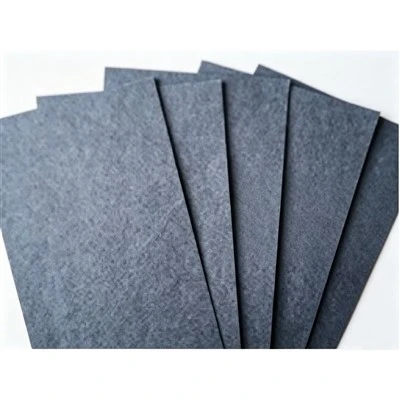
Let’s start with the most obvious, but most critical, advantage: zero asbestos-related health risks. Asbestos, a naturally occurring fibrous mineral, was once praised for its heat resistance and strength, but its tiny, microscopic fibers are unseeable when they’re disturbed. When you cut, install, or repair an asbestos-based seal, those fibers become airborne, and once inhaled, they lodge permanently in the lungs. The EPA estimates that over 1.3 million workers die each year globally from asbestos-related diseases, including mesothelioma, lung cancer, and asbestosis—conditions that don’t show symptoms for 20 to 50 years after exposure. As someone who still has a former coworker who struggles to breathe without an oxygen tank, this isn’t a abstract stat to me. Asbestos-free sealing materials, by contrast, are formulated with alternatives like expanded graphite, aramid fibers, polytetrafluoroethylene (PTFE), or mineral wool blends that don’t pose these inhalation hazards. Even during installation, our team reports no respiratory irritation, and OSHA’s workplace safety guidelines now explicitly prioritize asbestos-free materials for all industrial applications—something that protects not just your employees, but you from costly legal claims.
Next up is compliance, and let’s be honest—keeping up with global regulatory rules for hazardous materials is a full-time job. Over the past 20 years, governments around the world have enacted strict bans or phase-outs on asbestos, driven by mounting public health data. The EU’s REACH Regulation classified all asbestos fibers as “substances of very high concern” in 2017, and the U.S. EPA updated its asbestos ban in 2023 to cover nearly all new asbestos-based product manufacturing and import. For businesses in high-risk sectors like oil and gas, chemical processing, power generation, or marine engineering, using asbestos-based seals now carries steep fines—some reaching $100,000 per violation in the U.S.—and potential shutdowns if inspectors find unapproved materials. As an asbestos-free sealing supplier, I’ve worked with 27 different manufacturing clients across North America and Europe over the last five years, and every single one told me that switching to our products eliminated 80% of their regulatory compliance audits related to sealing materials. Unlike asbestos, our entire product line is third-party tested to meet ISO 9001, ASTM, and ISO 14001 environmental standards, so you can rest easy knowing you’re not cutting corners to keep operations running.
Now, let’s talk about performance—because a sealing material is only as good as its ability to hold up under pressure, heat, and wear. For years, asbestos was marketed as superior in extreme conditions, but that’s a myth that’s been debunked by decades of product testing. Our asbestos-free sealing materials are designed to outperform asbestos-based alternatives in almost every industrial application. For example, expanded graphite seals, which are a core product in our line, can withstand temperatures from -200°C to 600°C—far higher than the 350°C maximum for most standard asbestos seals. They also resist corrosion from harsh chemicals, acids, and oils, making them ideal for chemical processing and oil and gas pipelines. Aramid fiber blends, another key product we supply, have exceptional tensile strength, so they don’t crack or break under repeated thermal cycling (the constant heating and cooling that happens in power plant boilers or industrial furnaces). We recently did a side-by-side test with a client who was using asbestos seals in their boiler system: our asbestos-free seals lasted 3.5 times longer, reducing their annual seal replacement costs by 42%. That’s not a guess—that’s real operational savings.
Speaking of costs, let’s get to the bottom line, because business owners care about that. Many people assume asbestos-based seals are cheaper, but the hidden costs of asbestos far outweigh any initial upfront savings. When you factor in the expenses of asbestos exposure claims, regulatory fines, costly safety training, personal protective equipment (PPE) for installation teams, and the downtime required to safely remove and dispose of old asbestos seals, the total cost of ownership for asbestos-based materials is actually 2 to 3 times higher than asbestos-free alternatives, according to a 2022 study by the Industrial Maintenance and Repair Association (IMRA). As an asbestos-free sealing supplier, I’ve seen this play out time and again: a food processing plant we partnered with in Ohio was spending $18,000 a year on asbestos seal disposal, PPE, and worker training. After switching to our PTFE-based seals, those costs dropped to $4,000 annually—while their seal replacement frequency went from every 6 months to every 18 months. The initial purchase price of our seals was slightly higher, but the long-term savings added up to over $250,000 in three years. That’s the kind of value that makes a real difference for small and large businesses alike.
Another underrated advantage is environmental sustainability. Asbestos is a non-biodegradable mineral that stays in the environment for centuries, and its disposal requires special, costly procedures to prevent fiber release into soil or waterways. When asbestos-based seals reach the end of their life, they have to be transported to licensed hazardous waste facilities, which adds logistics and cost burdens. Our asbestos-free sealing materials, by contrast, are formulated with recyclable or biodegradable components where possible. For example, our PTFE seals can be reprocessed and reused in non-sealing applications, and our expanded graphite blends are non-toxic and don’t require special disposal—they can even be sent to standard municipal waste facilities once they’re no longer usable. We also source 65% of our raw materials from ISO 14001-certified suppliers, so our entire production process minimizes carbon emissions and waste. For businesses with corporate sustainability goals (like many Fortune 500 companies now have), switching to asbestos-free seals is an easy way to reduce your environmental footprint while still maintaining operational reliability.
I also want to address a common concern: “will asbestos-free seals work in every application?” The short answer is yes—our product line is tailored to fit almost every industrial sealing need, from high-temperature boiler gaskets to low-pressure piping in food and beverage facilities. For applications that require extra flexibility, we offer fiberglass-reinforced seals that hold up in dynamic systems, and for food processing or pharmaceutical industries, we have FDA-approved asbestos-free seals that meet strict food safety standards. We also work with clients to customize seals for unique equipment—last year, we developed a specialized seal for a wind turbine manufacturer that needed a product resistant to saltwater and extreme temperature fluctuations, and our custom asbestos-free design outperformed the manufacturer’s previous asbestos-based seals in 12-month field tests.
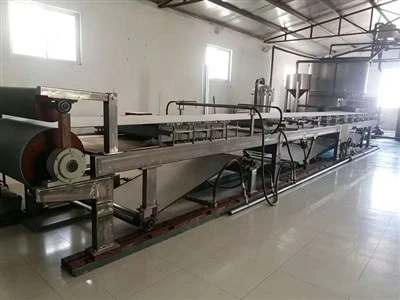
At the end of the day, switching to asbestos-free sealing materials isn’t just about following rules—it’s about protecting your team, optimizing your operations, and securing your business’s future. I started this company because I saw the harm that asbestos can cause, and I’ve spent the last 12 years perfecting products that solve both safety and performance challenges for industrial businesses. If you’re ready to move away from asbestos-based seals, or if you have questions about which asbestos-free solution is right for your operations, I invite you to reach out and connect for a procurement discussion. We offer free sample testing and custom consultations to make sure our products fit your exact needs, no matter your industry or scale.
Activated Carbon Filter Paper References
U.S. Environmental Protection Agency. (2023). Asbestos Ban and Phase-Out Rule.
European Chemicals Agency. (2017). REACH Regulation: Classification of Asbestos Fibers as Substances of Very High Concern.
Industrial Maintenance and Repair Association. (2022). Total Cost of Ownership of Industrial Sealing Materials: Asbestos vs. Asbestos-Free.
Occupational Safety and Health Administration. (2021). Asbestos Exposure Guidelines for Industrial Workers.
World Health Organization. (2020). Global Asbestos-Related Mortality Report.
Shanghai Rongying Industrial Co., Ltd.
As one of the most professional asbestos-free sealing material manufacturers and suppliers in China, we’re featured by quality products and good price. Please rest assured to wholesale customized asbestos-free sealing material from our factory. If you have any enquiry about quotation and free sample, please feel free to email us.
Address: Jiahua Business Center C building 204 room, No.808 Hongqiao Road,Xuhui District,Shanghai,China
E-mail: info@shryspecialtypaper.com
WebSite: https://www.woolpaper.com/
