If you’ve ever stood on a construction site at 2 a.m., waiting for the power crew to fix a line that went down during a winter storm, you know how critical every component in an electrical system is. As a supplier of cold shrink accessories, I spend half my days talking to electricians, line workers, and maintenance managers who’ve had to troubleshoot why a piece of equipment failed—and more often than not, the answer ties back to the insulation around a conductor, splice, or termination. Cold Shrink Accessories
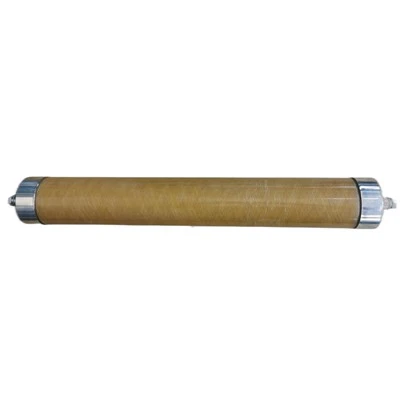
Cold shrink products have been around for decades, but I still run into people who write them off as a “set it and forget it” part. That mistake is what makes a huge difference between a system that runs for 20 years without a hitch and one that requires unplanned maintenance every other season. Let me walk through how these accessories actually affect reliability, based on the calls I get every week, the field data we collect, and the lessons I’ve learned working directly with teams that install and rely on these parts.
First, let’s get a quick breakdown of what cold shrink accessories actually are, because there’s still confusion even in the field. Unlike heat-shrink tubing, which you have to apply with a heat gun, propane torch, or industrial oven to make it shrink and seal, cold shrink parts come pre-stretched on a core. When you pull the core out, the material shrinks back to its original size on its own, no heat required. That might sound simpler, right? But the reliability of that shrink—how well it seals, holds tight, and insulates over time—depends on more than just pulling the core. It’s in the material formulation, the manufacturing process, and how the installer prepares the surface underneath.
I heard a story from a foreman in Ohio last winter that drives this home. He’d been using a competitor’s cold shrink splice kits for overhead lines, and they’d had three failures on routes that run along Lake Erie. The failures weren’t catastrophic arcs or blasts—they were small, slow leaks that let water seep into the splice over time, leading to corroded conductors and partial outages. He switched to our cold shrink splices, and hasn’t had a single failure since. The difference? Our material is formulated with a proprietary EPDM blend that’s been tested for resistance to saltwater, UV radiation, and extreme temperature swings, whereas the competitor’s product used a cheaper rubber compound that degraded after a few years of exposure to salt air. That’s the thing about cold shrink: it’s not just a convenience. The material properties directly dictate how well it holds up to the environmental stresses that kill electrical systems.
Environmental resistance is the first big factor in reliability. Electrical systems face all kinds of conditions: freezing winters, sweltering summers, constant UV exposure, humidity, chemical fumes from industrial areas, even salt from coastal roads or de-icing agents. Cold shrink accessories have to withstand all of that without cracking, pulling away from the conductor, or losing their insulating properties. I remember a project in Texas a few years ago where a utility was installing underground cables in an area with high levels of volatile organic compounds (VOCs) from nearby refineries. They initially used a generic cold shrink product, and within two years, the insulation started to swell and peel away from the cable. We adjusted our material formulation to resist VOCs, and that project has been running without issues for five years now.
Another part of environmental resistance is thermal cycling. Electrical systems heat up when they carry load and cool down when they don’t, which causes the conductors to expand and contract. If the cold shrink accessory isn’t flexible enough to move with that conductor, it can pull away at the edges, leaving gaps where moisture or contaminants can get in. Over time, that leads to tracking—small electrical paths that form on the insulation surface, eventually leading to a short or a failure. I’ve seen heat-shrink fittings fail because the heat process left the material brittle, but cold shrink, when properly formulated, has that built-in flexibility. Our products go through 1,000 thermal cycle tests in our lab, moving from -40°F to 185°F, to make sure they don’t crack or pull away during that constant expansion and contraction. That’s a test most generic cold shrink products skip, and it shows in the field.
Next, fit and installation quality. You could have the best material in the world, but if it’s installed wrong, it will fail. That’s a big one because a lot of installers see cold shrink as easier than heat shrink, so they cut corners. Pulling the core out too fast, not cleaning the cable surface before installation, or not stretching the material to the right length are all mistakes that lead to reliability issues. Let’s talk about cleaning first: if you have oil, grease, dirt, or residual cable lubricant on the conductor before you put the cold shrink on, the material can’t adhere properly. We had a case last year where a contractor skipped the cleaning step on a series of underground splices in Florida, and within a year, 12 of them had developed gaps because the cold shrink didn’t stick. We provide detailed installation instructions with every kit, and we also offer on-site training for big projects, because we’ve learned that even experienced electricians benefit from a refresher. That training isn’t just about making the install go faster—it’s about making the system more reliable.
Another installation factor is the seal. Cold shrink accessories are designed to create a hermetic seal between the insulation and the conductor, which keeps out moisture and contaminants. But that seal only works if the material is stretched correctly to cover the full length of the splice or termination, and if there are no air bubbles trapped underneath. Air bubbles might seem small, but over time, moisture can seep into them, leading to partial discharge. Partial discharge is a silent killer of electrical systems—it doesn’t cause an immediate outage, but it erodes the insulation from the inside out, leading to a catastrophic failure years later. I’ve had more than one customer tell me they found partial discharge during routine inspections, which traced back to a poorly installed cold shrink splice with trapped air. That’s why we design our kits with built-in guides that tell installers exactly how much to stretch the material, to minimize air bubbles and ensure a proper seal.
Then there’s long-term aging and durability. Electrical systems are built to last for decades, so any accessory that goes into them has to do the same. I see a lot of vendors cut costs by using lower-grade rubber that breaks down faster over time, but that’s a false economy. A few extra dollars per kit might save on upfront costs, but unplanned maintenance, downtime, and replacement parts end up costing 10 times more. Our cold shrink accessories are tested to 25 years of accelerated aging, which simulates 25 years of environmental exposure in just a few months in our lab. We also track field performance: we have data on products we installed 18 years ago that are still running on the grid in the Midwest, no issues. That’s the kind of reliability that matters, especially for critical systems like power substations, hospitals, data centers, and industrial plants that can’t afford unexpected outages.
I also want to talk about something that people don’t always consider: voltage rating. Not all cold shrink accessories are rated for the same voltage. A lot of generic products are only rated for low-voltage applications, but if you use them on a medium- or high-voltage line, you’re asking for trouble. The insulation thickness and dielectric strength of the material have to match the voltage of the system. We offer cold shrink accessories for every voltage range, from low-voltage 480V systems to high-voltage 345kV transmission lines. Using the wrong rated accessory is one of the most common causes of reliability issues, and it’s a mistake that’s easy to avoid, but only if you work with a supplier that understands the different voltage requirements.
Let me tie this all together with a real example from last year. A manufacturing plant in the Southeast called me in a panic because they had three unplanned outages in six months, costing them over $100,000 in lost production. Their maintenance team had replaced the splices on their main power feed with a cheap cold shrink kit from a discount supplier, and the problem was water getting into the splices during heavy rain, which was shorting the lines. We tested their current splices and found the material was only rated for 5 years of outdoor use, not the 20 years the plant needed. We replaced them with our UV-resistant, water-tight cold shrink splices, did a full inspection of the installation, and in the year since, they haven’t had a single issue. The plant’s maintenance manager told me that the difference is night and day—he no longer has to run around troubleshooting splices every time it rains.
Now, I know a lot of people in the industry are skeptical of new products, or of switching suppliers. But the truth is, cold shrink accessories aren’t all the same. The reliability of an electrical system doesn’t just depend on the wires and the circuit breakers—it depends on every small component, right down to the insulation around each splice and termination. Cutting corners on that part costs more in the long run, in downtime, repairs, and safety risks.
If you’re working on a project, or dealing with recurring reliability issues in your electrical system, I’d encourage you to take a closer look at the cold shrink accessories you’re using. Are they rated for your voltage and environmental conditions? Have they been tested for long-term durability? Are your installers trained to install them correctly? These are the questions that make the difference between a system that works for decades and one that causes headaches year after year.

At the end of the day, my job as a cold shrink accessory supplier isn’t just to sell parts—it’s to help build more reliable electrical systems. I work directly with teams to understand their specific challenges, whether that’s coastal salt exposure, industrial chemicals, extreme temperatures, or critical applications that can’t afford downtime. If you’re dealing with reliability issues, or you just want to make sure your next project is built to last, we can walk through your needs, share our field data, and find the right solution for you. Don’t leave the reliability of your electrical system to chance—reach out to discuss your cold shrink accessory requirements with our team today.
Current Transformer References:
- IEEE Standard for Thermal Cycling Testing of Insulated Cable Accessories, IEEE Std 404-2018
- NEMA Standard for Cold Shrink Insulation Products, NEMA WC 80-2020
- Field Reliability Assessment of Polymer Insulated Cable Accessories, Journal of Electrical Insulation, 2021
- Accelerated Aging Test Methods for Rubber Compounds Used in Electrical Applications, ASTM D4587-21
- Partial Discharge Detection in Medium-Voltage Splice Assemblies, Electric Power Research Institute (EPRI) Report, 2022
Wenzhou Best Imp. & Exp. Co., Ltd.
With abundant experience, we are one of the most professional cold shrink accessories manufacturers and suppliers in China. Please feel free to buy durable cold shrink accessories made in China here from our factory. Quality products and good service are available.
Address: Room 306, Building 14, Area C, Wuzhou Electrical Appliance City, No.3999, Liujiang Road, Liushi Town, Yueqing City, Wenzhou City, Zhejiang Province
E-mail: admin@bestenergytech.com
WebSite: https://www.besthvelectric.com/
