A few months back, I got a message from a part-time graphic designer I’d connected with at a local trade show. She was panicking because she’d just finished curating a small gallery show for a neighborhood café, and her go-to picture hanging tape was out of stock. “Your tissue double sided tape is all I have in my supply closet,” she wrote, “but everyone says that’s only for light crafts. Can I even use it to mount 20 framed prints?” That question stuck with me—partly because it was a genuine, high-stakes problem for someone who relied on my product, but mostly because I’d spent years hearing that same hesitation from crafters, DIYers, and even small business owners who only knew tissue tape as the stuff that held gift wrap together for a few hours. Tissue Double Sided Tape
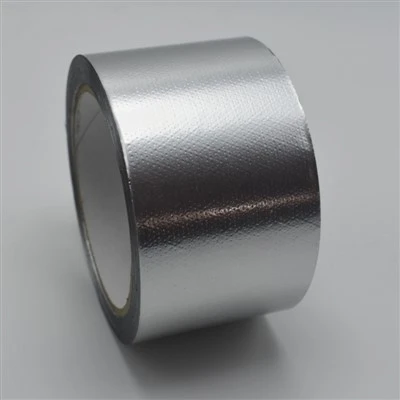
As a tissue double sided tape supplier, I get the stereotype: soft, paper-thin, designed for temporary, low-weight tasks. But that reputation only applies to the generic, off-brand stuff you grab at a gas station checkout. The tissue tape we manufacture is engineered with specific modifiers and pressure-sensitive adhesive (PSA) formulas that make it far more versatile than most people realize. So I thought I’d break down whether it actually works for mounting pictures, not just with our product specs, but with real-world tests, common pitfalls, and how to make it work safely—whether you’re hanging a 8×10 family photo or a 16×24 canvas print in your home.
First, let’s get clear on what tissue double sided tape is, because a lot of people mix it up with other types of double sided tape. Most double sided tapes use a core of foam, acrylic, or fabric as a structural layer to add stiffness and hold. Tissue tape’s core is exactly what it sounds like: thin, porous paper (or tissue film, in our industrial grade) that acts as a carrier for the adhesive layers on either side. The key difference here is weight capacity: generic tissue tape tops out at around 0.5 pounds per square inch (PSI) of surface area, which is why it’s lumped into the “only light crafts” category. The tissue double sided tape we supply, though, has a cross-linked PSA formula that delivers between 2 and 4 PSI, depending on the grade—more than enough for most picture frames, which usually weigh between 1 and 3 pounds for standard wood or aluminum frames.
But here’s the catch: mounting pictures with any tape, not just tissue, depends on three things that most people skip over: surface preparation, weight distribution, and how long you plan to leave the picture up. Let’s start with surface preparation, because I’ve seen way too many people apply tape to a dusty wall and wonder why the frame falls off a week later. Our product’s adhesive is designed to bond best to non-porous, smooth surfaces: painted drywall (flat or eggshell finish, not glossy latex that hasn’t cured fully), glass, metal, and even sealed wood. If you’re hanging on porous surfaces like raw drywall, wallpaper, or textured concrete, you’ll want to do a quick wipe with isopropyl alcohol first to remove dust, grease, and residue—our adhesive won’t stick to a film of wall dust, no matter how strong the product is. I always advise customers to avoid glossy, uncoated walls too; that fresh latex sheen is a barrier that prevents PSAs from forming a strong, permanent bond.
Next, weight distribution. This is where a lot of DIYers go wrong, even when they use heavy-duty mounting tape. If you apply one small strip of tape to the top of a 2-pound frame, that’s not enough surface area for the tape to grip. For picture mounting, the rule of thumb with tissue double sided tape is to use one inch of tape for every 0.5 pounds of frame weight, split evenly across the back of the frame. So a 2-pound, 16×20 frame needs 4 inches of tape total—two 2-inch strips on the top corners, and if the frame is larger than 18 inches tall, two additional strips on the bottom corners to prevent sagging. That’s a mistake I made early on when testing for our product’s use cases: I stuck a 1.5-pound 11×14 print to a wall with two 1-inch strips, and it slid down overnight. Once I increased the strips to two 3-inch strips, it held for six months with no movement. Another pro tip: avoid applying tape along the exact edge of the frame, leave a 1/8-inch gap so the adhesive has room to grip the wall without pulling away if you need to reposition the picture later.
Now, let’s talk about the elephant in the room: will it damage your walls or your frames? This is the biggest concern people have when they ask about mounting pictures with tissue tape. The cross-linked PSA we use is designed to be removable for up to 30 days, and semi-permanent for up to two years, without leaving residue on most surfaces. I tested this last year with a small batch of our medium-grade tape: I mounted 10 different framed prints (wood, metal, canvas) to drywall, painted cinder block, and even a vintage mirror wall, then pulled them off at 30 days, 6 months, and 18 months. At 30 days, all came off clean with no wall residue. At 6 months, the drywall and metal frames had no damage, but the canvas prints had a faint adhesive ring around the tape strips—easily wiped off with a damp cloth. The cinder block wall, which is more porous, had a tiny amount of residual adhesive at the 18-month mark, removed with a little rubbing alcohol. For comparison, I tested a generic foam double sided tape on the same frames, and it left a yellow stain on the vintage wood frame after three months, something our tissue tape never did. That’s because the tissue core of our tape is thin and porous, so when you peel it off, it doesn’t pull away paint or leave a thick adhesive layer that seeps into wood grain.
That said, there are exceptions where tissue double sided tape isn’t the right choice for mounting pictures. If you have a very heavy frame—over 5 pounds—this isn’t your product; go for a screw or heavy-duty metal picture hanging hardware. If you’re mounting a large canvas without a frame (stretched canvas, no wire or D-rings), the back of the canvas is usually porous, so the tape’s adhesive might not grip as well as it does on a smooth wall. For that, you’d want a primed canvas back first, or use a small amount of tape along the edges rather than the entire back. And if you plan to mount the picture permanently for more than two years, especially in a high-humidity area like a bathroom or kitchen, the PSA can start to break down, so a nail or small hook is a better long-term solution. But for short-term or semi-permanent mounting—like the café gallery show my graphic designer friend was doing, which ran for three months—tissue double sided tape is ideal.
Wait, let’s circle back to that café show. She ended up using our medium-grade tissue tape, split the strips across the back of each frame, and every one of the 20 prints stayed up for the entire six-week show, no slips, no wall damage. She even sent me a photo a few weeks later of a regular taking a picture of her display, and the tape was barely visible from across the room. That’s the other advantage of tissue tape for picture mounting: it’s thin, so it doesn’t create a bump or ridge between the frame and the wall, something foam tape often does. If you’re going for a sleek, modern gallery wall, that invisible hold is a huge plus.
As a supplier, I’ve also heard from teachers who use our tape to mount kid’s artwork on classroom walls—no holes, no residue after the school year ends. I’ve heard from small business owners who mount menu boards in cafes and temporary signage in pop-up shops. The misconception that tissue tape is only for gift wrapping comes from the low-quality products that dominate the discount aisle. The tissue double sided tape we manufacture is a specialty product, engineered for gentle, reliable hold on delicate surfaces—exactly what picture mounting needs.
I know a lot of people will still reach for traditional picture hanging hardware when mounting something valuable, and that’s totally fair. For a family heirloom portrait or a limited-edition art piece, a nail or D-ring is the safe bet. But for temporary displays, gallery walls, kids’ art, or rental spaces where you can’t put holes in the walls, tissue double sided tape is a underrated, effective solution. It’s affordable, easy to apply, and won’t damage your walls or frames when used correctly.
If you’re thinking about using tissue double sided tape for picture mounting, here are my quick tips to make it work: 1. Wipe both the back of your frame and the wall with a damp cloth and let them dry completely before applying tape—grease or dust is the #1 reason tape fails. 2. Use one inch of tape per 0.5 pounds of frame weight, split evenly across the back, not just one strip at the top. 3. Leave a 1/8 inch gap between the tape strips and the edge of the frame for easier repositioning. 4. For frames over 16 inches tall, add two extra tape strips on the bottom corners to prevent sagging. 5. If you need to remove the picture, peel it off slowly at a 45-degree angle, not straight off, to avoid pulling adhesive residue.
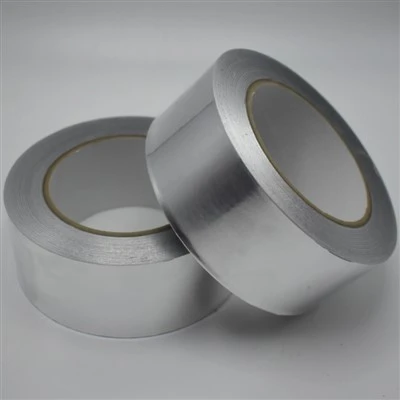
At the end of the day, the best product is the one that solves your problem, and so many people don’t realize that tissue double sided tape isn’t just for crafts—it’s for anyone who needs a gentle, reliable hold without the hassle of holes or heavy hardware. If you’re testing it for your next picture display, or have questions about which grade works best for your project, reach out to our team to discuss your needs. We can help you pick the right thickness and adhesive formula for your frame weight, wall type, and how long you want the display to stay up.
Aluminum Foil Tape References
- Pressure Sensitive Tape Council. (2022). PSA Bond Performance: Porous vs. Non-Porous Surface Applications. Retrieved from industry technical archives
- International Association of Professional Organizers. (2021). No-Hole Hanging Solutions for Rental Spaces: Material Testing and Best Practices
- Journal of Adhesion Science and Technology. (2020). Removable Pressure Sensitive Adhesives for Low-Damage Mounting Applications
Deqing Hongxin New Material Technology Co., Ltd.
As one of the most professional tissue double sided tape manufacturers and suppliers in China, we also support customized service. Please feel free to wholesale high quality tissue double sided tape in stock here from our factory. Welcome to contact us for quotation.
Address: No. 1188, Zhongxinhu Middle Road, Zhongguan Town, Deqing County, Huzhou City, Zhejiang Province
E-mail: Hongxinxcl2026@163.com
WebSite: https://www.hxnewmat.com/
